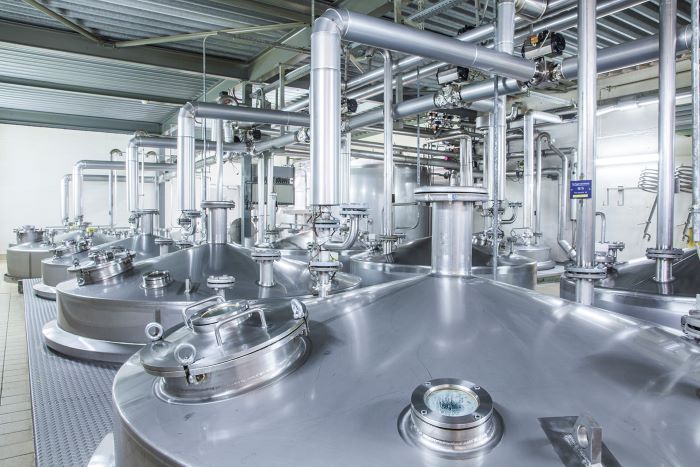
The armed conflict in the Middle East could have a significant impact on the food sector, according to analysts at ABN AMRO. Within the food industry, energy-intensive sectors in particular are facing higher energy costs. Most companies operate with a mix of energy contracts, which means that price increases are reflected in their results with a slight delay.
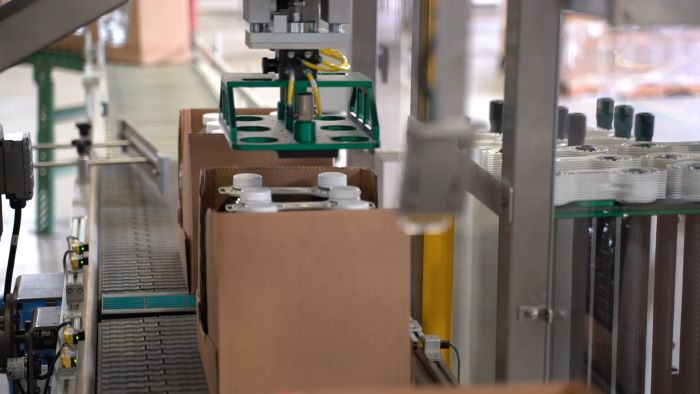
In addition to energy prices, container prices are also rising due to higher oil prices and trade disruptions. Products that are highly dependent on trade outside the European Union are at increased risk, including meat, coffee, sugar, dairy products, and tropical fruits and vegetables. If energy prices remain high, the food industry must also expect higher prices for packaging materials.
Experience from the 2022 energy crisis shows that an increase in production costs is reflected in consumer prices after three to nine months. This affects smaller companies in particular, as they have to pre-finance higher costs while sales prices have not yet been adjusted. Larger companies generally have more market power and expertise to close this gap in a timely manner.