In food, beverage and other FMCG production, coding and marking must be reliable, easy to manage, and seamlessly integrated into production and IT environments. At interpack 2026, LEIBINGER and LOGOPAK, part of the Possehl Identification Solutions (PID) group, will show how continuous inkjet coding, print and apply labelling, and centralized data management come together in one integrated solution for product identification from product to pallet – improving visibility, simplifying control, and reducing complexity. This new setup is built on the shared quality standards and industrial performance both companies are known for.
Focus on what matters in production
For high-volume food and packaging companies, several requirements are becoming increasingly critical: maximum uptime, smooth integration into existing MES, ERP, and production line management structures, as well as efficient control of coding and labelling processes across all packaging levels. At the same time, the transition to 2D codes is increasing data density and expanding traceability requirements, making efficient and intelligent data management more important than ever. As manufacturers move towards more highly automated factory environments with leaner on-site technical resources, the need for highly reliable, connected equipment with centralized access, visibility, and control continues to grow.
This is exactly where the collaboration between LEIBINGER and LOGOPAK creates value. LEIBINGER contributes proven CIJ expertise, high-performance industrial printing systems, and a strong reputation for reliability. LOGOPAK adds long-standing strengths in print and apply, industrial integration, and data management. Together, both companies offer a holistic, open approach for connecting coding and labelling processes from primary packaging through to pallet labelling.
Open integration, central control
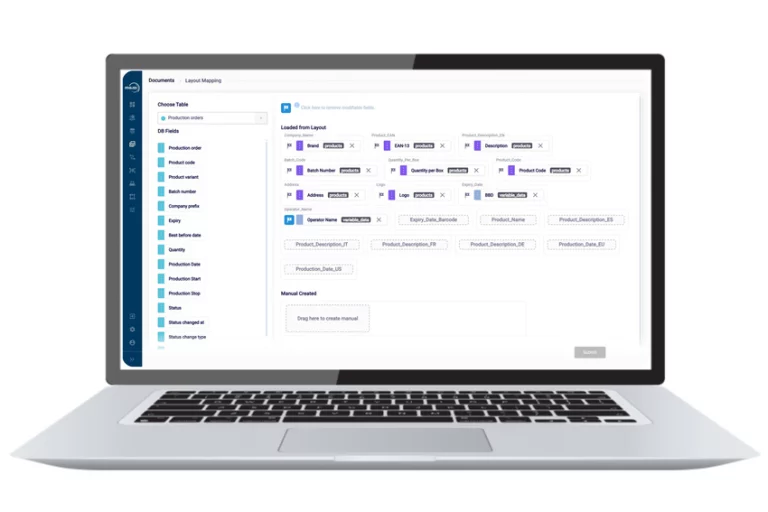
A key element is manage.ID, PID’s manufacturer-independent software platform for integrating, managing and monitoring marking systems in one central environment – regardless of technology or brand. In this way, LEIBINGER CIJ systems can be seamlessly incorporated into broader production architectures while customers retain maximum flexibility in how they design their coding and marking landscape.
For production teams, this enables a consolidated orchestration of coding and labelling processes across the factory – without the need for separate tools for print job maintenance and device administration. The result is a more connected, more transparent identification setup that supports efficient day-to-day operations.
For customers, the benefits are:
• High reliability for stable production and maximum uptime
• An open system architecture without unnecessary restrictions
• Easy integration into existing software and production environments
• Centralized visibility and control of marking processes across all packaging levels – from product to pallet
• Clear day-to-day efficiency gains: fewer errors, easier operations, and reduced effort in print job and device management
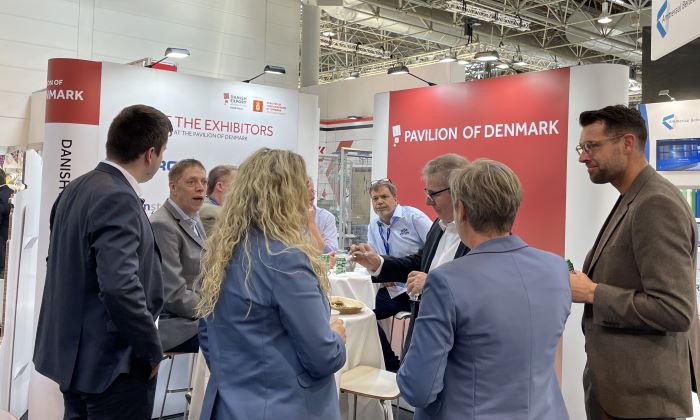
Photo: LEIBINGER