Built from experience on both sides of machinery procurement, UK-based Line Guide is preparing to open a digital marketplace that helps food manufacturers discover, compare and connect with suppliers of processing and packaging equipment.
Food manufacturers can automate increasingly complex processes, yet finding the right equipment can still mean searching multiple websites, visiting exhibitions and relying on established contacts. For businesses assessing unfamiliar technologies, understanding what is available and who can supply it is often a project in itself. Line Guide was created to address that gap. It brings equipment listings and supplier profiles together in one place, with tools designed to help buyers research solutions around their production requirements. The ambition is simple but significant: to become the modern way of sourcing automation equipment.
Experience from both sides
Founder Archie Connor works in food packaging machinery sales, helping manufacturers identify and invest in automation. George, Line Guide’s Head of Sales and Operations, brings the buyer’s perspective, having been involved in sourcing and purchasing equipment for manufacturing projects. Their experiences revealed the same problem from different directions. Suppliers can struggle to reach manufacturers who would benefit from their technology, while buyers may never discover suitable equipment outside their existing network.
“When you work on the supplier side, you see how difficult it can be for the right equipment to reach the right project,” says Connor. “George understood the other side: how much work buyers put into finding and comparing options. We wanted to bring those perspectives together.” That combination has shaped a platform focused on how machinery is actually researched and selected, rather than simply listing companies in a directory.
Discover, compare and connect
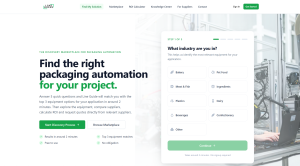 Line Guide’s searchable marketplace covers equipment for both food processing and packaging, giving engineers, operations teams and business owners a starting point for exploring different technologies and the suppliers behind them.
Its guided Discovery Tool is designed to narrow potential equipment options using information about the application, product and production requirements. Users can then review relevant listings, compare possible approaches and make enquiries to suppliers.
Project-building functionality also supports more complex investments, allowing users to map stages of a proposed productionline and consider equipment requirements across the project rather than one machine at a time.
For suppliers, the objective is equally practical: better visibility among buyers actively researching relevant machinery, including those who may not already know their brand.
The platform is not intended to replace technical discussions, factory trials or engineering due diligence. Equipment compatibility, performance, integration and commercial terms still need to be established directly with suppliers. Line Guide aims to make those conversations easier to start and better informed.
A more open starting point
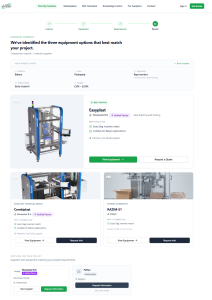 Choosing automation involves more than comparing headline specifications. Product handling, throughput, factory layout, labour availability, maintenance and long-term operating costs all influence whether a solution will work in practice.
Giving project teams a clearer view of available technologies at the start can help them ask better questions and assess alternatives before narrowing their shortlist. For Line Guide, transparency means making equipment and supplier information easier to find, not promising that every machine will suit every application. It means supporting informed choices while recognising the importance of supplier expertise.
Preparing to open the marketplace
Line Guide already has a growing collection of supplier profiles and equipment listings covering the UK, Ireland and continental Europe. The platform remains behind a controlled launch gate while the team tests the buyer experience, supplier journeys and equipment information ahead of its public opening. Public launch is planned soon, with the timing dependent on readiness and supplier uptake rather than a fixed announced date.
“We want someone planning a new production line, upgrading an existing process or exploring their first automation project to think of Line Guide as their starting point,” says Connor. “See what is out there, understand the options and connect with the right people.” The longer-term aim is to make equipment discovery a more accessible, transparent and efficient first step in food
manufacturing investment.