Arla Foods, the farmer-owned dairy cooperative is now covering its entire electricity consumption across its European sites with electricity from renewable sources with the company flicking the figurative switch at the end of last year.
Said David Boulanger, Executive Vice President of Supply Chain: “This is a great achievement for our cooperative and the result of years of hard work and dedication by the teams involved. We are constantly looking to make our supply chain more sustainable and securing that we now run on 100 per cent renewable electricity is a big feat and something we are proud of. Especially as it comes from long-term agreements connected to concrete projects creating additional access to renewable electricity in the EU and the UK.”
Approx. 93 per cent of Arla Foods’ total electricity consumption sits within Europe where the dairy company operates 46 sites in seven different countries.
The renewable energy consists of a fairly even split between open-market certificates and long-term Power Purchase Agreements (PPA’s) signed in recent years. A PPA is a contract between a company generating the electricity and an off taker for electricity produced over a range of years at a fixed price.
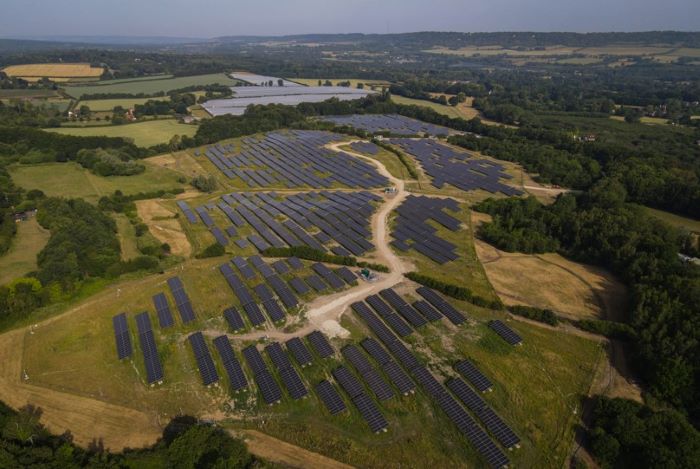
Arla Foods has entered into several PPA’s to secure access to electricity powered by wind and solar energy and by committing to off take the electricity for a longer range of years, Arla Foods is actively contributing to the green transition in an area widely impacted by shifting political support.
Added Boulanger: “Energy companies often need the extra security of a guaranteed consumer before committing to a large investment in renewable energy such as a wind or solar park. They seek partners like us who are capable of purchasing their electricity at a viable price – and not just for a couple of years but for the long term. We have signed long-term PPA’s showing our continuous commitment to producing dairy as sustainable as possible now and in the future.”
Some examples of the PPA’s include a 44 GWh/year agreement from solar and wind power plants in Pronsfeld, Germany, near Arla Foods’ biggest dairy, two solar plants in Lincolnshire and Kent in the UK generating a combined 20 GWh/year, 43 GWh/year from a solar park in Denmark and a massive 90 GWh/year from the largest solar PPA in Sweden’s history.
The rest of the renewable electricity is covered by certificates of which a small part is purchased directly from Arla farmers for electricity generated at their farms from a for example a windmill. This secures that they get the best price possible for their certificates and that they by generating renewable electricity at farm level have slightly contributed to Arla Foods reaching this milestone.
While increasing the ratio of electricity coming from renewable sources, the company has simultaneously invested heavily in electrifying its supply chain and moving away from fossil fuels. With massive projects in especially Denmark, Germany and the UK, almost 30 per cent of the company’s total energy use is now electricity. And this number will increase in the coming years.
Concluded Boulanger: “While reducing energy consumption will always be our first priority, electrifying our supply chain is also an important driver to future-proofing and decarbonise our operations. Not only does it make us less dependent on fossil energy sources and vulnerable to geopolitical and market volatility, it contributes heavily to our supply chain sustainability agenda and even more so now that we use 100 per cent renewable electricity.”
The company will now explore further how to potentially increase its share of renewable electricity for its sites outside of Europe. For more visit arla.com