According to Growth Market Reports, the global milk quality sensor market size reached USD 1.31 billion in 2025 and is expected to expand at a robust CAGR of 8.3% from 2026 to 2034. By the end of the forecast period, the market is projected to achieve a valuation of USD 2.69 billion by 2034. This impressive growth trajectory is primarily driven by increasing global demand for high-quality dairy products, stringent regulatory standards, and the widespread adoption of automated solutions in the dairy supply chain. As per our latest research, advancements in sensor technology and the rising focus on real-time monitoring and traceability are further accelerating market expansion.
What Is the Milk Quality Sensor Market?
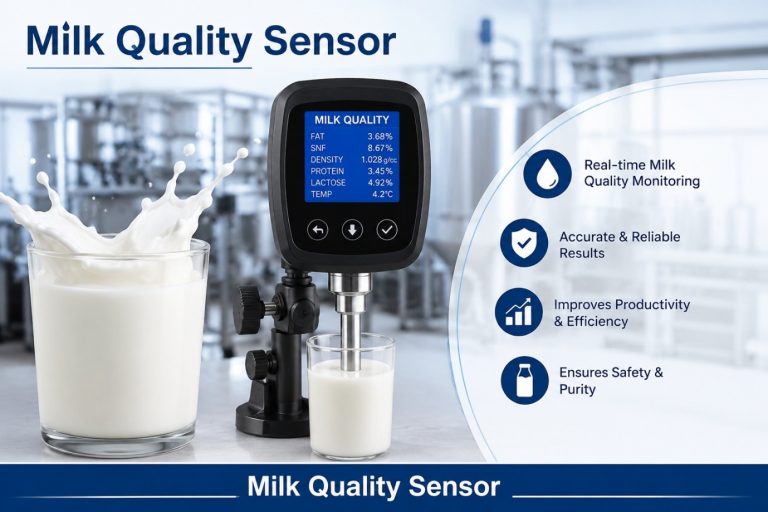
The Milk Quality Sensor Market represents one of the most significant technological advancements in the global dairy industry. As consumers demand safer, fresher, and more transparent food products, dairy producers are embracing intelligent sensing technologies that monitor milk quality from farm to processing facility. These sensors analyze physical, chemical, and biological characteristics of milk in real time, enabling producers to detect contamination, maintain nutritional integrity, and optimize production efficiency.
Unlike traditional laboratory-based testing, modern milk quality sensors deliver immediate insights, allowing farmers, cooperatives, and dairy processors to make informed decisions within seconds rather than hours. This capability is reshaping quality assurance standards across developed and emerging dairy markets alike.