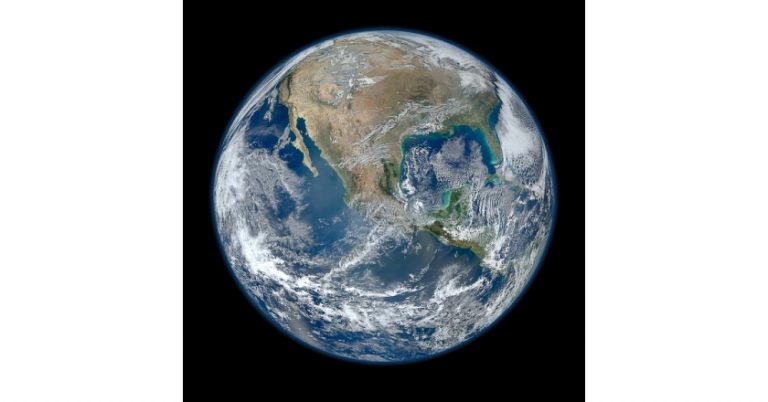
Market analysts at the US Department of Agriculture (USDA) are looking ahead. Their forecast: global milk production will be around 1.4 per cent higher in 2026. However, this means that milk production will grow more slowly than in 2025, when growth stood at 1.7 per cent.
The EU, the US, New Zealand, Argentina and Australia account for more than half of global milk production. They account for over 90 per cent of whole milk powder exports and over 80 per cent of SMP, butter and cheese exports. Their production will rise by 1.6 per cent in 2026 to around 301m tons. The strongest growth will be seen in the USA (+2.3m tons) and India (+2.2m tons) – 2.1 per cent in each case.
The EU will see a 1.0 % increase to 150m tons by 2026. The driving force behind this is milk yield per cow, which offsets the continued decline in herd numbers. In the long term, the USDA does not expect significant expansion in Europe. Farms will continue to generate additional volumes through increased productivity – rather than through larger herds.
Among the major exporters, the USA remains the driving force. Its production is set to rise by 2.1 % to more than 107m tons. New processing capacity, favourable conditions, rising milk fat production and strong competitiveness on the world market are fuelling this growth.
New Zealand is heading for a record: 22.5m tons, an increase of 2.6 %. Favourable prices, higher yields and a slight increase in herd numbers are underpinning this trend. One risk is the El Niño phenomenon, which could slow down pasture growth in the spring.
Argentina continues to recover. Following difficult years, production is growing once again by 2.4 per cent to 12.3m tons. Better margins and favourable weather are helping. It is striking that the number of farms is falling whilst herds are growing.
Australia, too, is shaking off last year’s drought. More rain, stable prices and comparatively cheap feed are driving a 2.4 % increase in output. Here, too, El Niño poses a risk.
Photo: Pixabay